

We support 14 projects with a global impact
This page provides further information about the climate protection project portfolio of ITA Airways and the Lufthansa Group, including the details on the mechanisms, project standards, and activities carried out. Passengers can contribute to these climate protection projects by choosing to purchase the Green Fares.
The portfolio includes 14 high-quality projects from the four suppliers myclimate, First Climate, Ceezer, and Senken, as well as projects developed by Climeworks and 1PointFive. The projects are located in the Lufthansa Group’s main domestic markets as well as other countries globally. All projects meet the highest quality standards and ensure that CO₂ emissions are avoided or removed from the atmosphere in the long term.
An Important Step Toward Carbon Neutrality by 2050
In alignment with European regulatory targets, supporting climate protection projects through CO₂ offsetting plays a vital role in the journey toward Net Zero by 2050. Given that aviation remains one of the most challenging sectors to decarbonize, residual emissions will persist despite ongoing reduction efforts, such as fleet modernization, the use of Sustainable Aviation Fuels (SAF), and operational efficiency improvements. Climate protection projects therefore serve a complementary purpose by either preventing new emissions or actively removing CO₂ from the atmosphere.
With the support of its passengers, the Lufthansa Group is not only driving voluntary progress toward a lower-emission future but also stimulating early-stage demand. In doing so, the Group acts as a catalyst for the development and scaling of innovative carbon removal technologies.
High-quality standards to ensure positive climate impact
Climate protection projects involve complex ecological and social interconnections; for this reason, the extent of CO₂ savings can vary. Through an accurate selection of rigorously verified projects, the Lufthansa Group and its partners ensure a tangible contribution to climate protection. All supported projects comply with the highest quality standards currently available. Most non-European projects are certified to international standards such as “Gold Standard” or “Puro.earth” The impact and quality of European projects are ensured by compliance with national standards, such as “Carbon Standards International (CSI)” or ISO 14064.
In addition to climate protection, these projects also contribute to strengthening biodiversity and improving the living conditions of local communities.
How climate protection projects work: “removal” and “avoidance” of CO₂
Projects supported by the Lufthansa Group fall into two main categories based on their climate impact: “removal” projects and “avoidance” projects.
“Removal” projects are defined as those that extract CO₂ from the atmosphere and then store it in a lasting manner.
These include “nature-based” projects such as reforestation, where the climate benefits derive from photosynthesis: as plants grow, they absorb CO₂ from the air and transform it into sugars and starches, storing it in the biomass.
In “technology-based removal” projects, the goal is the permanent sequestration of atmospheric CO₂. For example, in biochar projects, CO₂ is absorbed through photosynthesis and then stored as stable carbon (biochar). Even more advanced technologies allow CO₂ to be directly filtered from the air and permanently stored in geological reservoirs. These projects are currently available on a limited scale, but the Lufthansa Group intends to actively promote them and offer them to its passengers in the future.
Nature-based projects
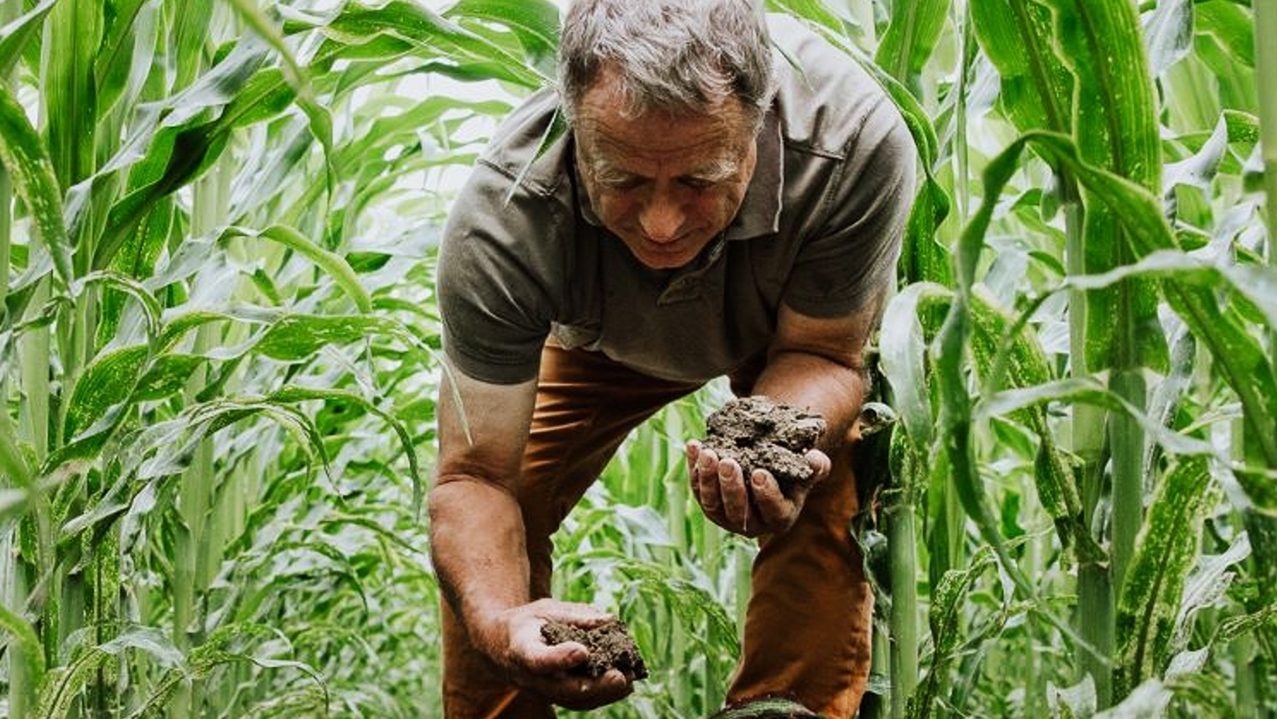
The Belgian agricultural landscape is at a critical turning point: conventional agriculture has compromised soil health, increasing exposure to droughts and floods.
Soil Capital operates Europe’s first certified carbon compensation program, rewarding farmers for their contribution to the fight against the climate crisis.
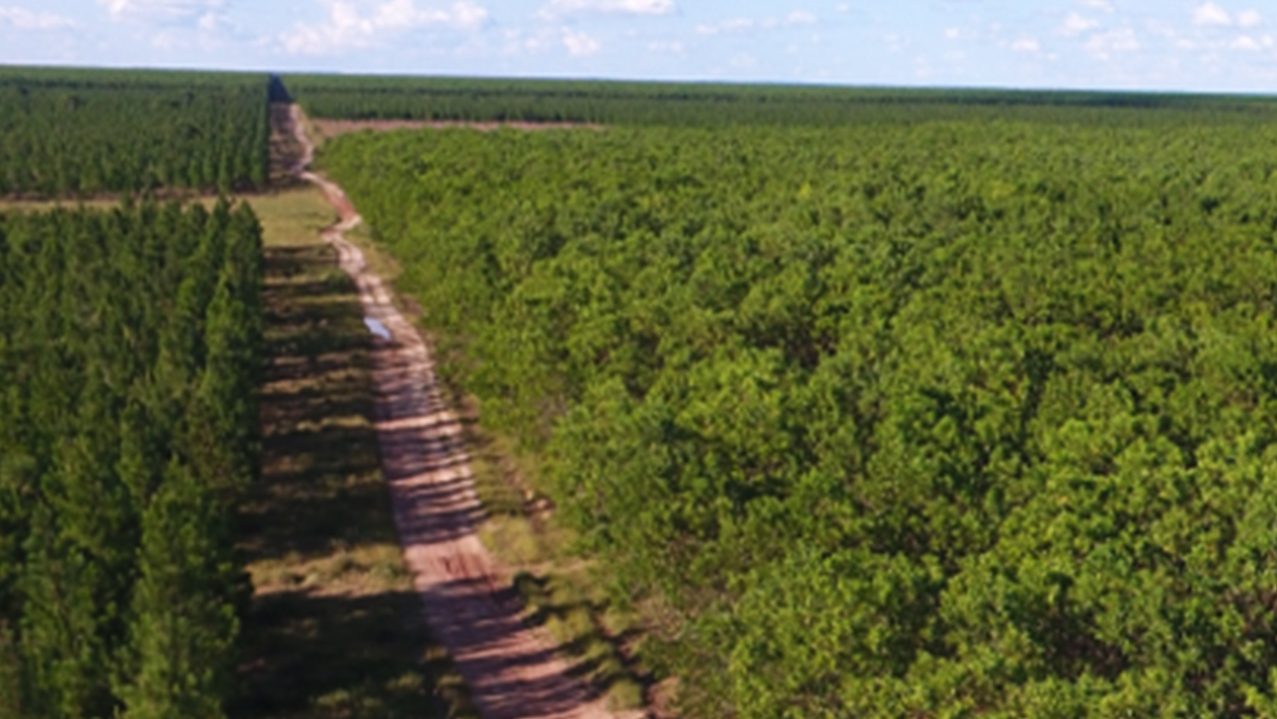
The reforestation project in the Vichada region covers approximately 76,000 hectares, including 8,000 hectares of protected areas. Former savannas are reforested primarily with teak, pine, and eucalyptus, creating a mixed forest and a valuable habitat for many animal and plant species.
Klim’s regenerative agriculture project involves more than 3,500 farmers on more than 700,000 hectares, supporting the transition to regenerative practices such as diversified crop rotations, minimal tillage, permanent cover, and organic fertilizers.
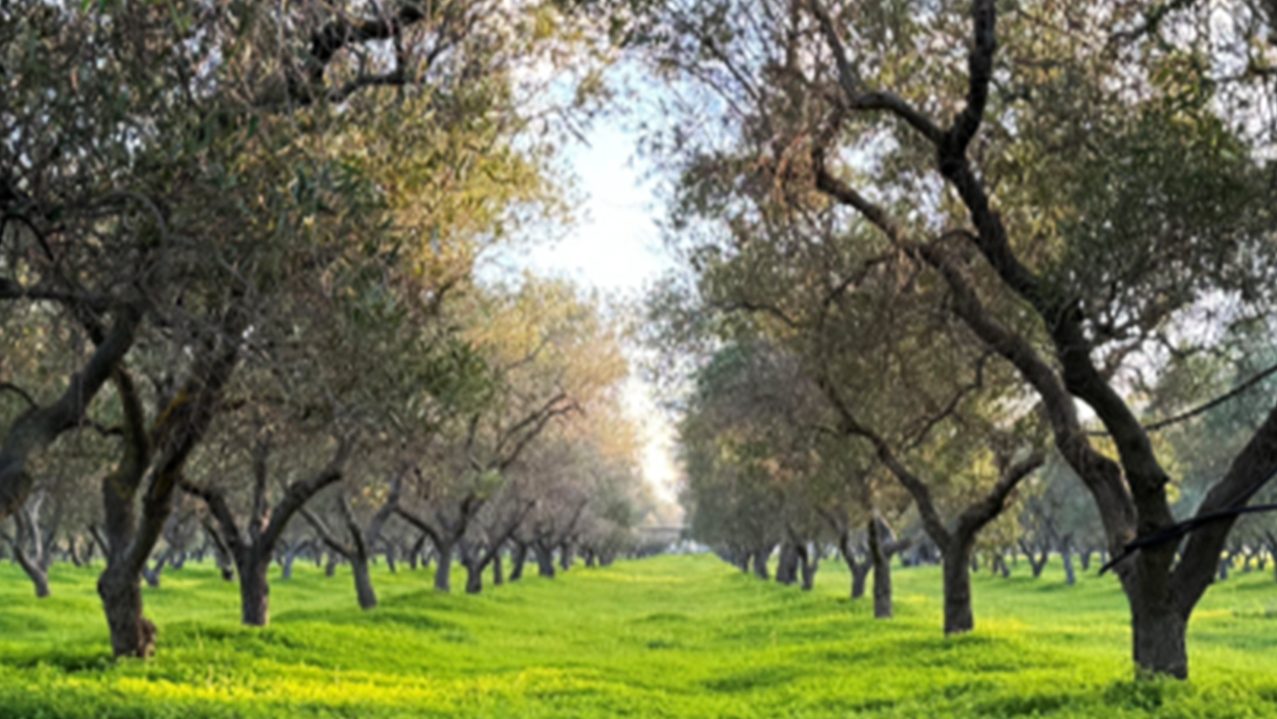
Italian agriculture faces serious problems with soil degradation and climate change. The project supports the adoption of 13 regenerative practices based on scientific evidence, including cover crops, reduced tillage, compost, biochar and agroforestry.
“Technology-based” projects
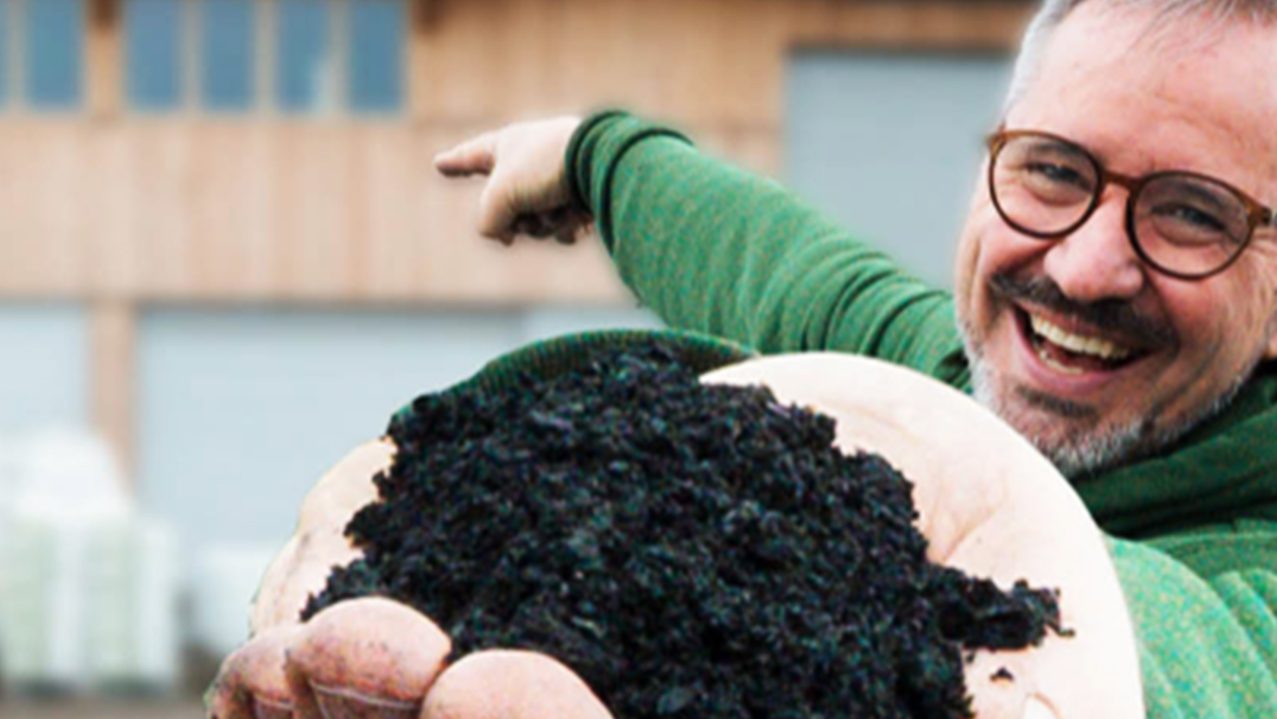
Sonnenerde has pioneered the European biochar market since 2012, transforming organic waste into biochar through low-oxygen pyrolysis, creating a long-term carbon sink.
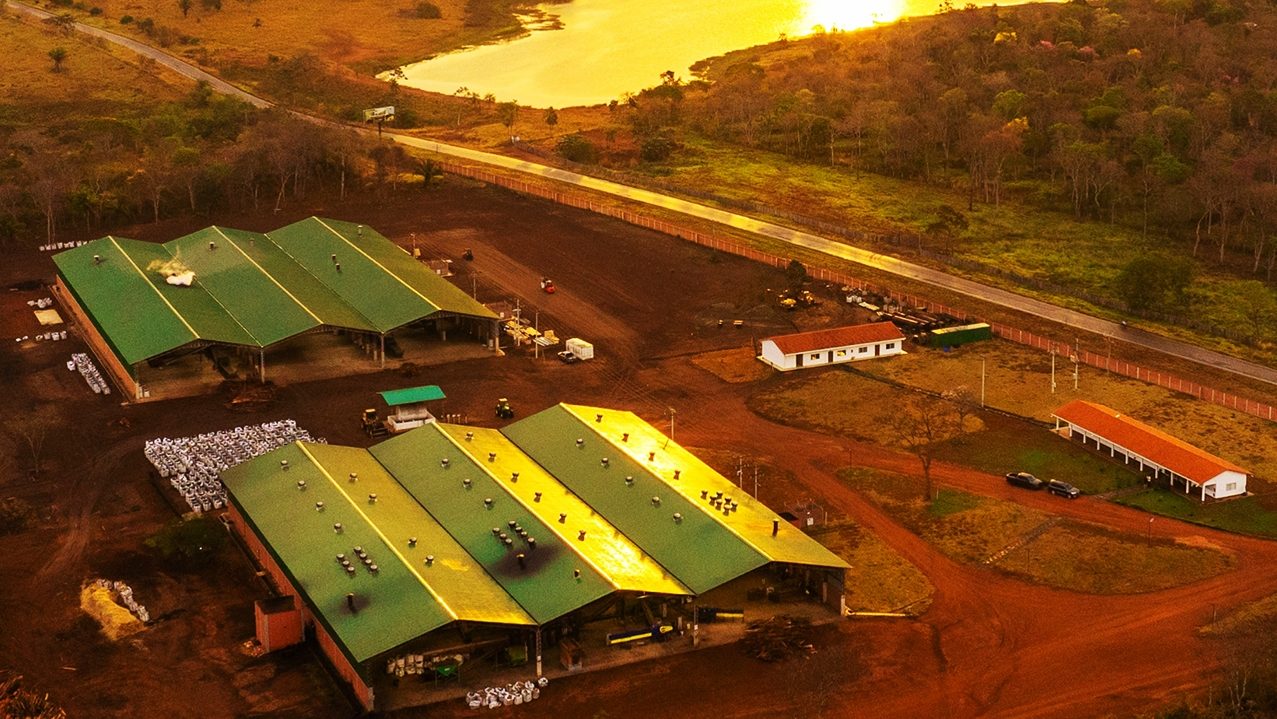
Exomad Green manages the world’s largest biochar carbon removal project, converting sustainable forest residues into a long-lasting climate solution.
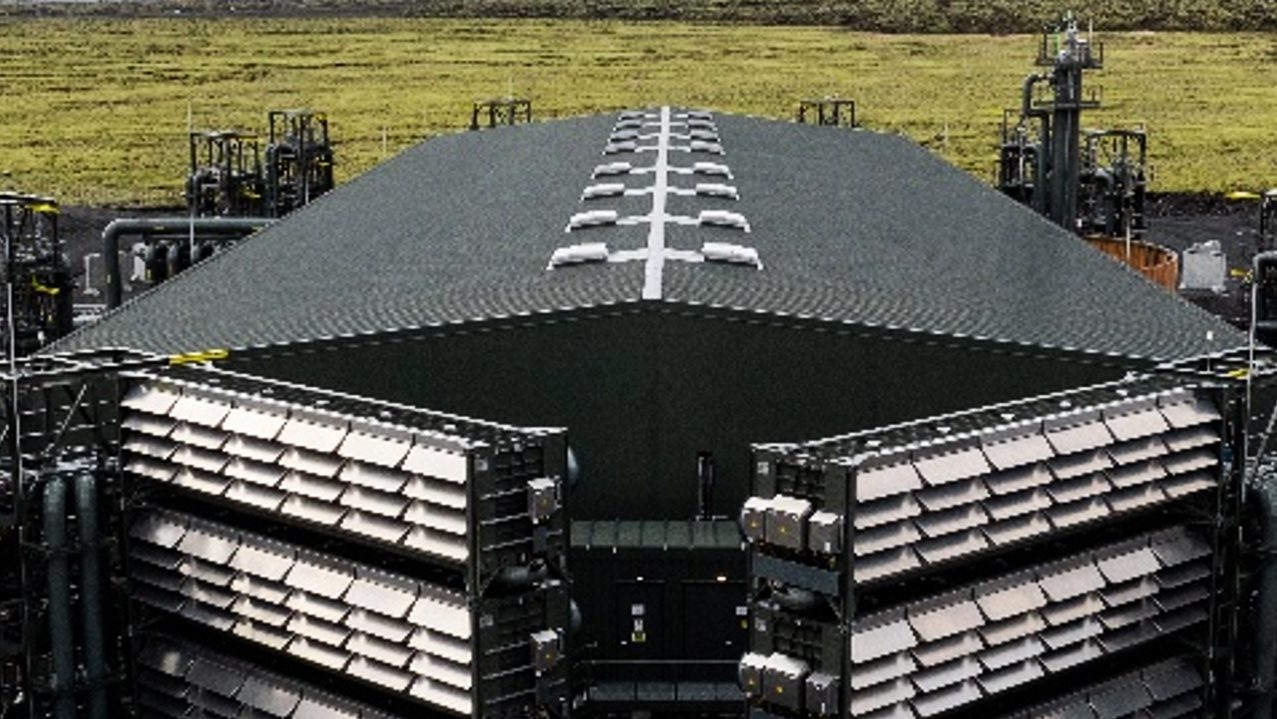
Mammoth, the Climeworks DAC plant in Hellisheiði, removes CO₂ directly from the air and permanently stores it underground as stone.
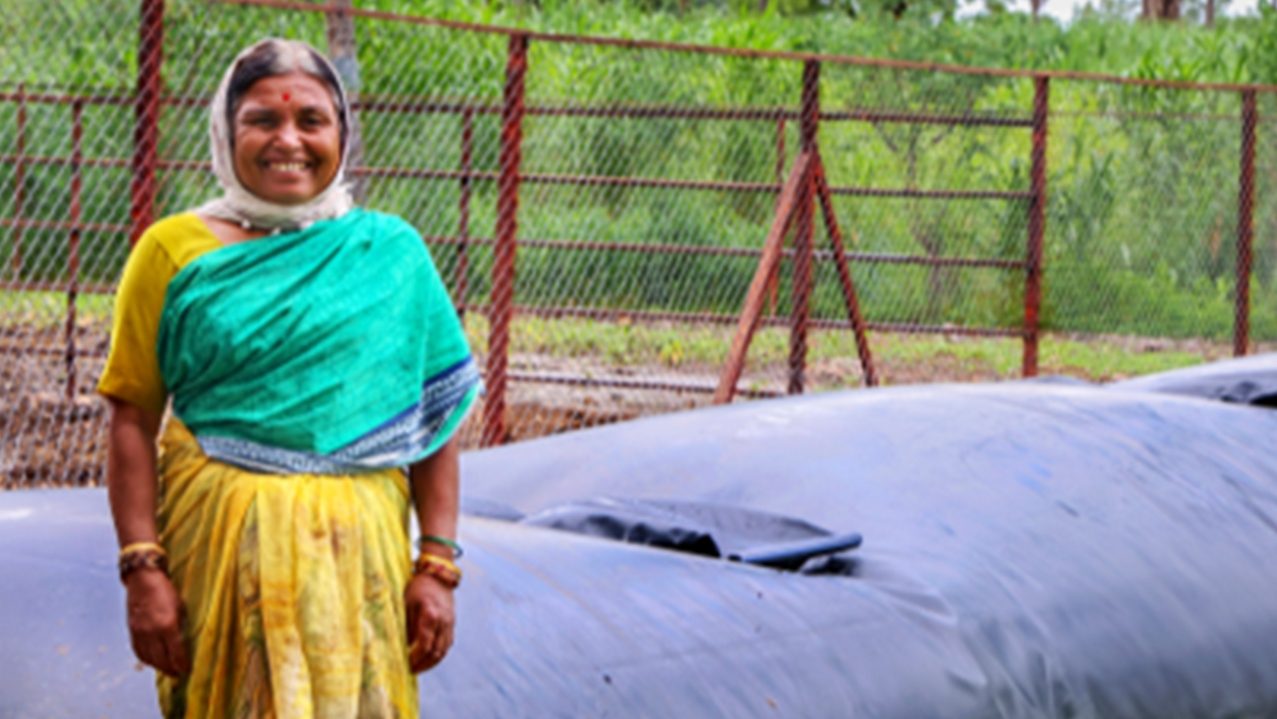
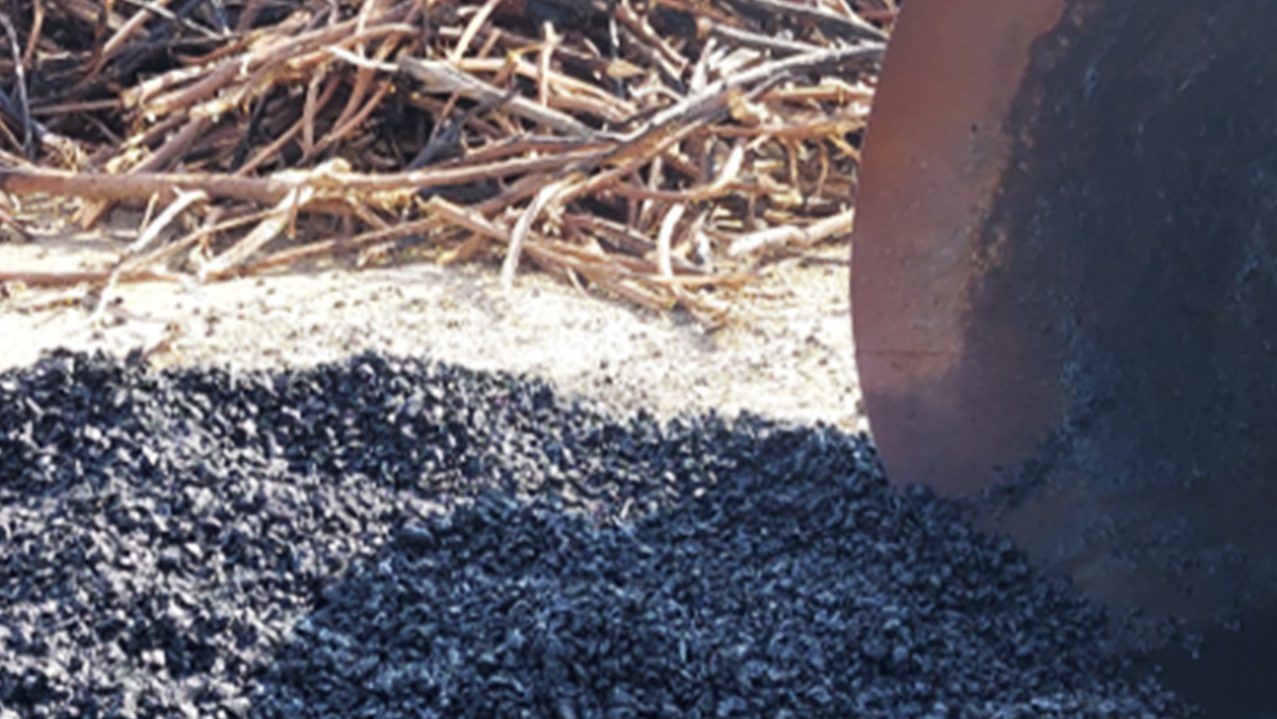
One of the world’s largest community-based projects in the biochar sector, it ensures long-term carbon sequestration that will endure for over 1,000 years.

RecoaI uses hydrothermal carbonization (HTC) to manage biomass residues and create long-term carbon removal (BiCRS).
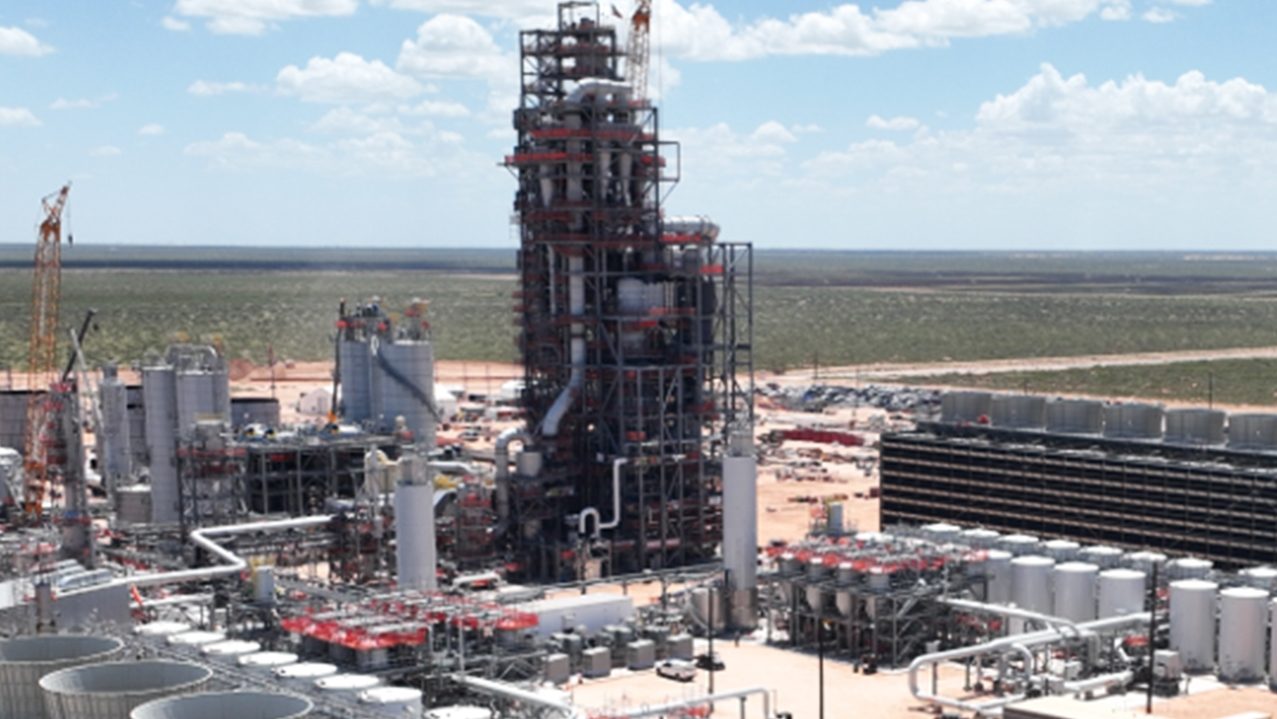
The 1PointFive STRATOS facility is one of the most scalable solutions for direct CO₂ capture and permanent storage.
The goal of “avoidance” projects is to prevent the emission of additional CO₂. Supported projects promote, for example, the distribution and use of energy-efficient cookers or the adoption of modular biogas systems.
These projects not only have a positive impact on the environment and climate, but also offer multiple benefits for biodiversity protection and improving the living conditions of local populations through the creation of training opportunities, jobs, and cleaner air.
System.bio addresses the challenges of energy poverty, waste management, and soil degradation in an integrated manner by providing small farmers with modular biodigesters. These systems transform animal manure into two fundamental resources: clean, renewable biogas for cooking and powering agricultural equipment, and high-quality organic biofertilizers.
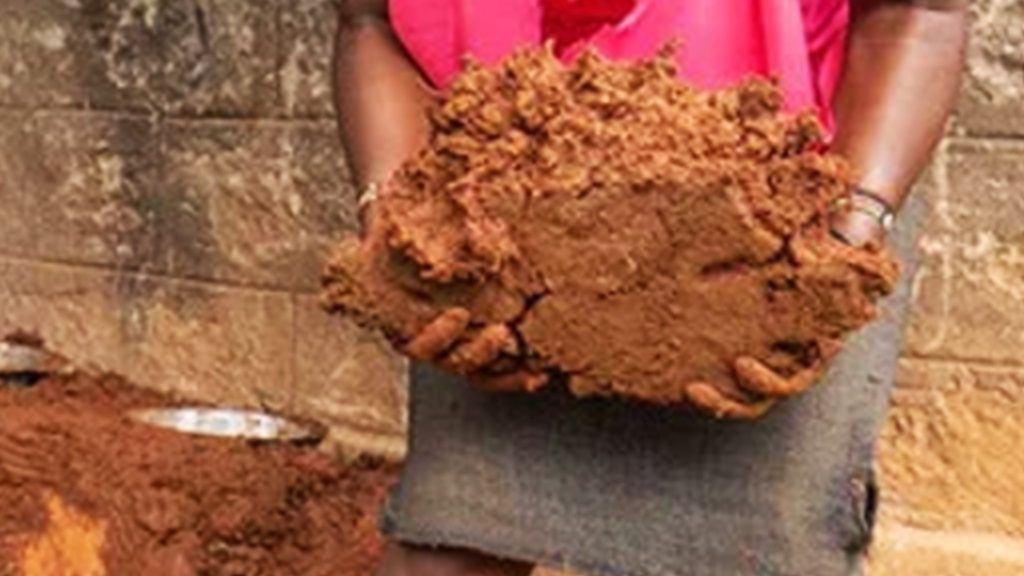
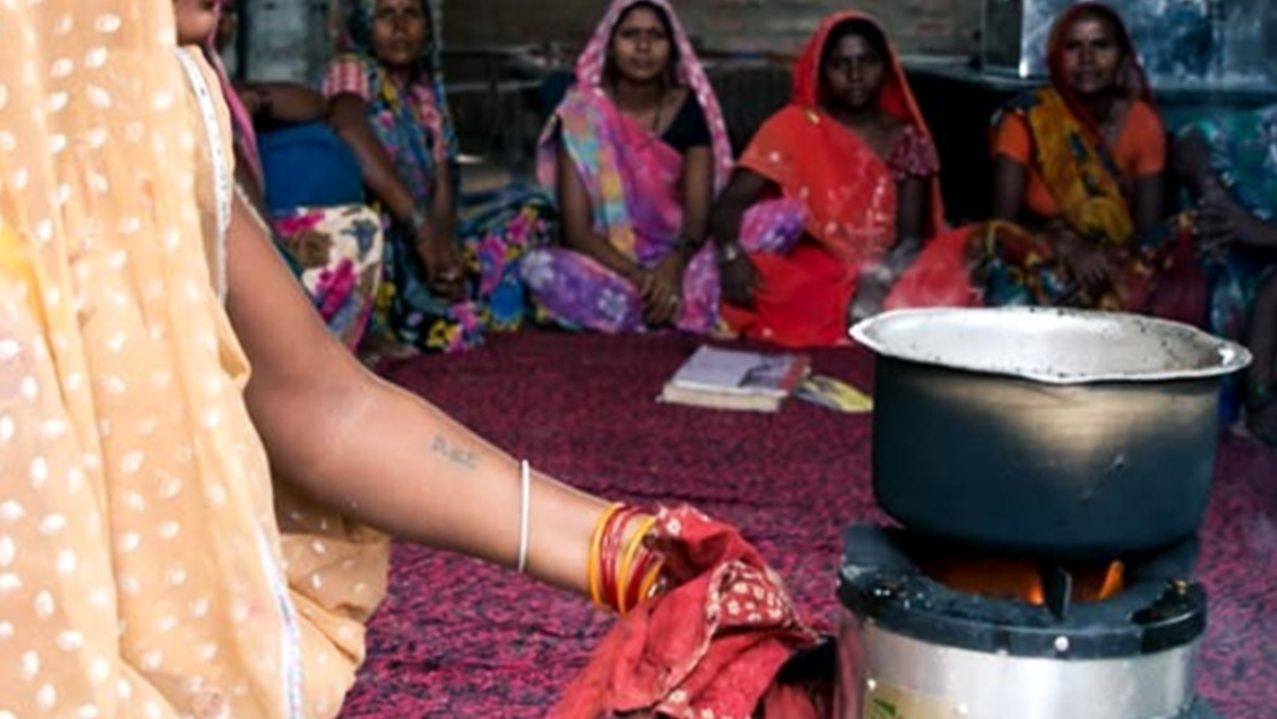
Traditionally, rural communities in the Siaya region of western Kenya cooked on open fires that required large amounts of firewood. Thanks to community savings and credit groups (Community Savings and Loaning – CSL), women can now afford more efficient stoves. This reduces the demand for firewood, protects local forests, and contributes to the reduction of CO₂ emissions.
MicroEnergy Credits address both climate change and the issue of air quality in Mongolia through the distribution of efficient heating technologies to low-income families. In partnership with XacBank, the organization provides high-efficiency furnaces and home insulation solutions through a microfinance program, significantly reducing fuel consumption. Since 2009, the project has reached over 160,000 families, contributing to a significant improvement in air quality in Ulaanbaatar.
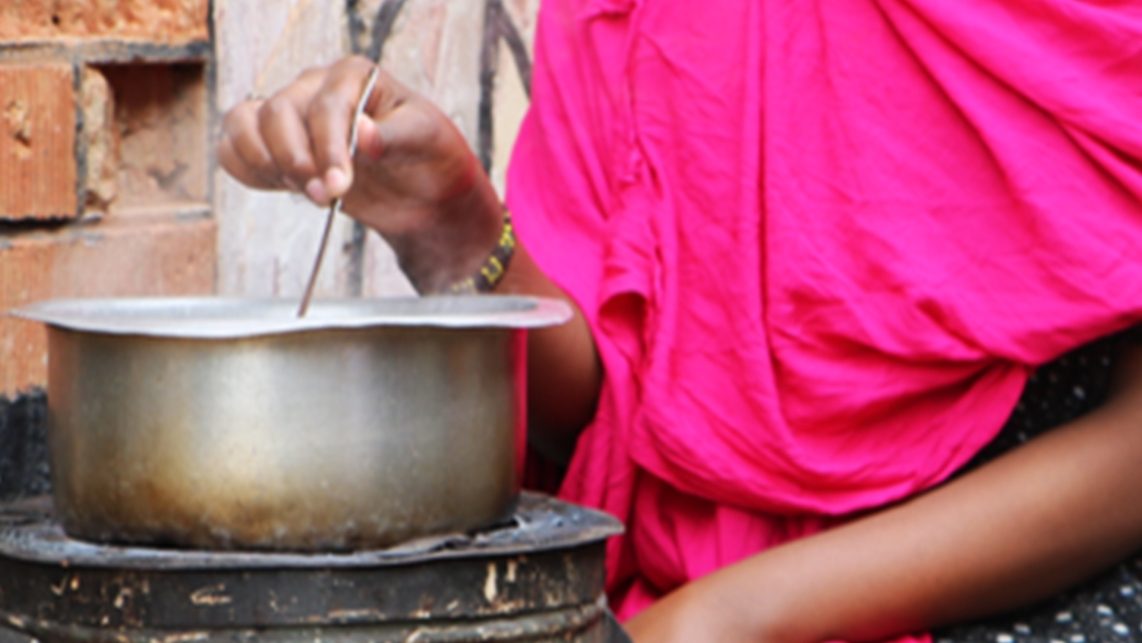
This project focuses on the dissemination, among Ugandan families, of durable and energy-efficient kitchen stoves. Compared to traditional stoves, they save up to 50% on fuel. The project supports stove distribution, demand creation and consumer awareness. To date, more than 1.2 million improved stoves have been produced and sold, reaching more than 6 million people.
Projects contribute to the United Nations Sustainable Development Goals (SDGs).
The 17 Sustainable Development Goals (Sustainable Development Goals, SDGs), with their 169 sub-goals, form the core of the 2030 Agenda. They tackle the economic, social, and ecological aspects of sustainable development in an integrated manner and, for the first time, combine the fight against poverty and the promotion of sustainable development in the same agenda.
The SDGs must be achieved worldwide and by all United Nations member states by 2030. This means that all countries are called upon to contribute to a shared solution to the most pressing global challenges.
Switzerland is committed to implementing the goals at the national level. At the same time, incentives are being provided to encourage non-government actors to make an increasingly active contribution to sustainable development.